
Tide Pool Hibernation
Barefoot in the Vanuatu Lava Fields, Backyard Observatories, and the Creatures of the Tide Pools | Plus Book Events & More


SWN Reads…
Taking Inspiration from Tide Pool Creatures
In an article from Orion Magazine, author Cameron Walker takes inspiration from the hidden creatures of the tide pool and in their gentle ways-of-life, finds a salve for the huge, complex human world.
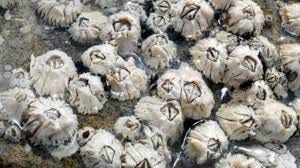
The Acorn Barnacle starts as a free-swimming larva, before burrowing away in a cone-shaped shell. Using cement glands, the Acorn Barnacle sticks itself to something firm - a ship, rock, a shelled animal - and there it settles.
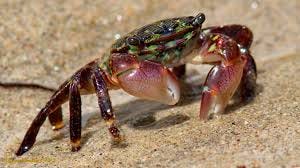
The Striped Shore Crab shares its time between land and sea, feasting on algae and animals. From the edge of the tide pools, a visitor might hear the Striped Shore Crabs’ distinctive clicking sounds. These crabs have striped, colourful exoskeletons that they outgrow and cast off. Temporarily soft and vulnerable, they soon harden and grow hard new outer bodies.
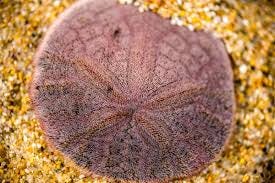
The Sand Dollar is a sand-dwelling creature covered in tiny hairs (called cilia) that move food particles toward its mouth. It has tiny spines on its body that it uses to moves along the sand, to burrow down into the sand, and to capture plankton. In quiet waters, the Sand Dollar stands on end. When the current is strong, it swallows sand to weigh itself down, lay flat, and stay grounded.
Vanuatu Volcanologist Portrait Wins Photography Prize
This year, photographer Elle Leontiev has won the portraiture category of the Sony World Photography Awards for her stunning photograph of amateur volcanologist, Philip Yanah. The winning photgraph captures Philip standing barefoot on the lava fields on Tanna, a remote Pacific island 190 kilometers from Efate, Vanuatu’s main island.
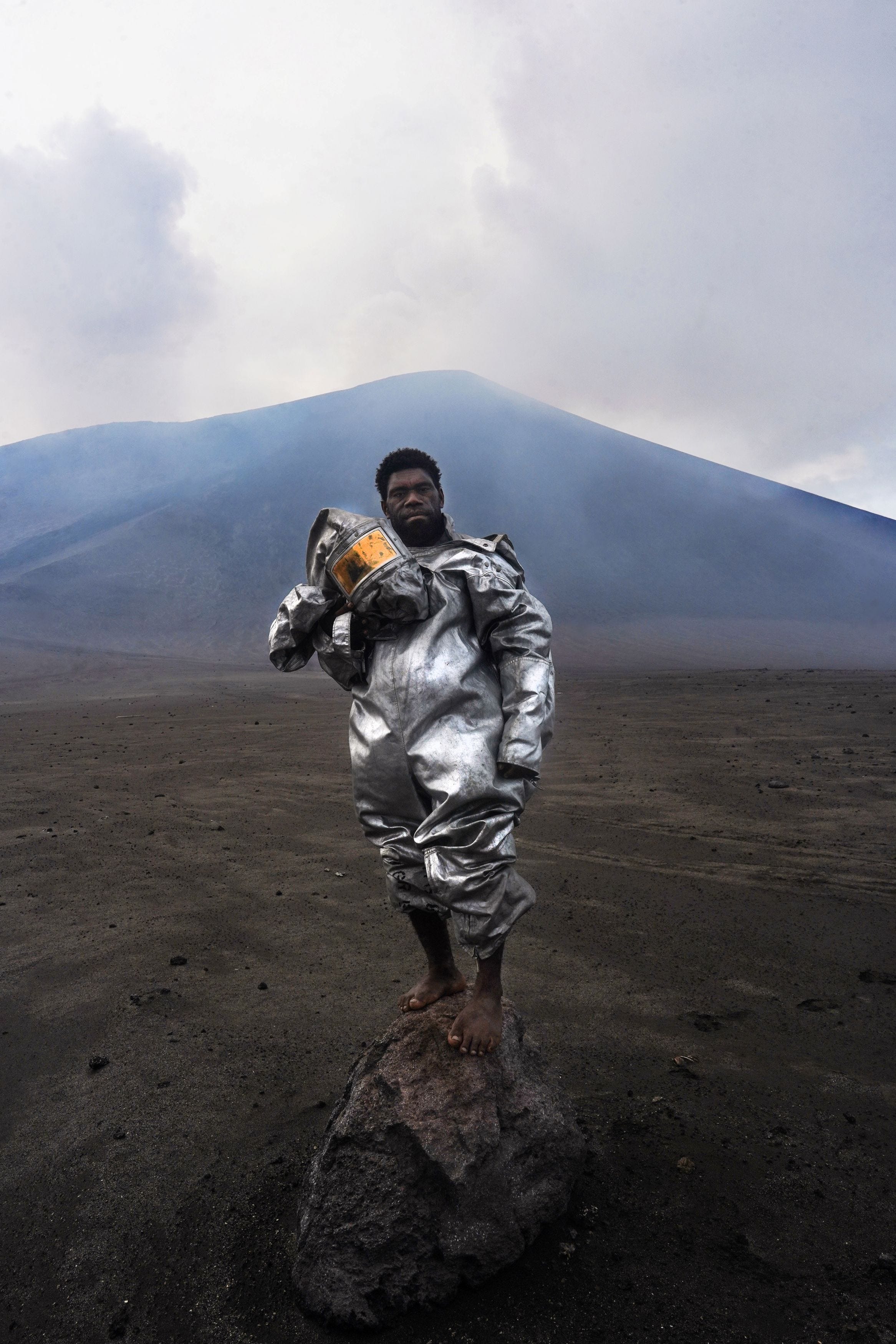
Philip Yanah, the “barefoot volcanist”, is a passionate, local volcanologist with no formal training, but extensive experience and knowledge of Mount Yasur, an active volcano located on Tanna’s eastern side. The volcano has been active since at least 1774, according to the Smithsonian Institution's Global Volcanism Program, and its most recent account of major activity was in only December 2025. Mount Yassur’s frequent activity makes it one of the world’s most accessible Strombolian volcanoes.
“It was actually tough conditions on the day. The volcano was spewing a lot of ash that day, a lot of sulfur… It was really hard just to breathe; I was struggling. It was really windy, and a lot of the ash and sulfur was just being blown straight at us. We actually got off the volcano because it was too dangerous to stay up there."
- Leontiev
Phographer Elle Leontiev is an award-winning photographic artist whose work explores the intersection of humanity and nature. Working across fine art and documentary photography, her practice is grounded in long-term observation, environmental storytelling and a deep interest in traditional darkroom processes.
The Sony World Photography Awards aims to offer an an insight into photography today in all its diversity, spotlighting photographers telling the stories of our time.
Backyard Astronomer Discovers 100 Exoplanets
In Victoria’s Gippsland region, Chris Stockdale operates an impressive telescope system from his very own backyard. Starting as a childhood fascination with space, today Chris’ set-up includes a 320-millimetre telescope mounted on a precision tracking system, with which he collects valuable data participating in global collaborations, contributing to research, and even leading to new discoveries.
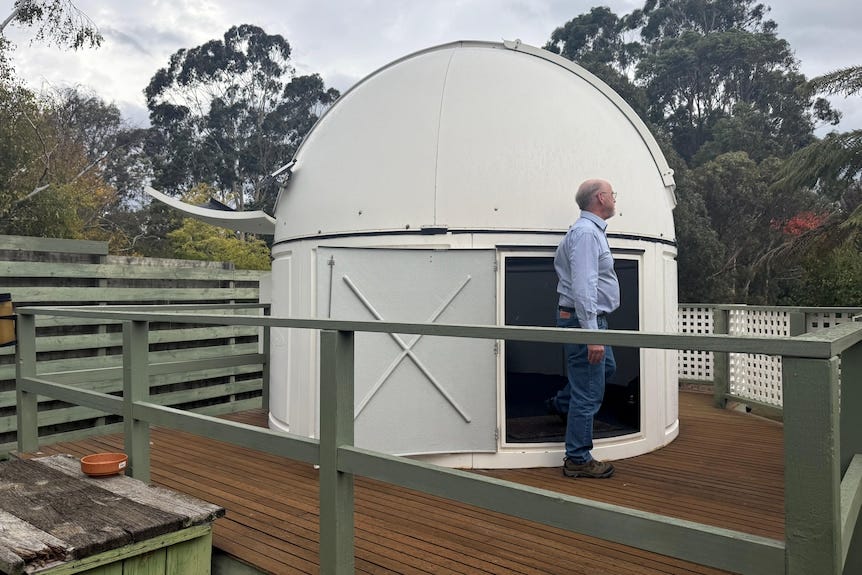
Despite operating his telescope alone, work of this kind is collaborative in nature and Chris’ data has proved valuable across many projects, including some linked to NASA. Now, Chris has contributed now to over 100 scientific papers and helped confirm around 100 exoplanets.
"There's many people involved in actually doing the discovery and I'm sort of one of the cogs in the wheel.” -Chris Stockdale
This year, the Astronomical Society of Australia has formally recognised Chris’ immense contributions to the field by awarding the 2026 Berenice and Arthur Page Medal.
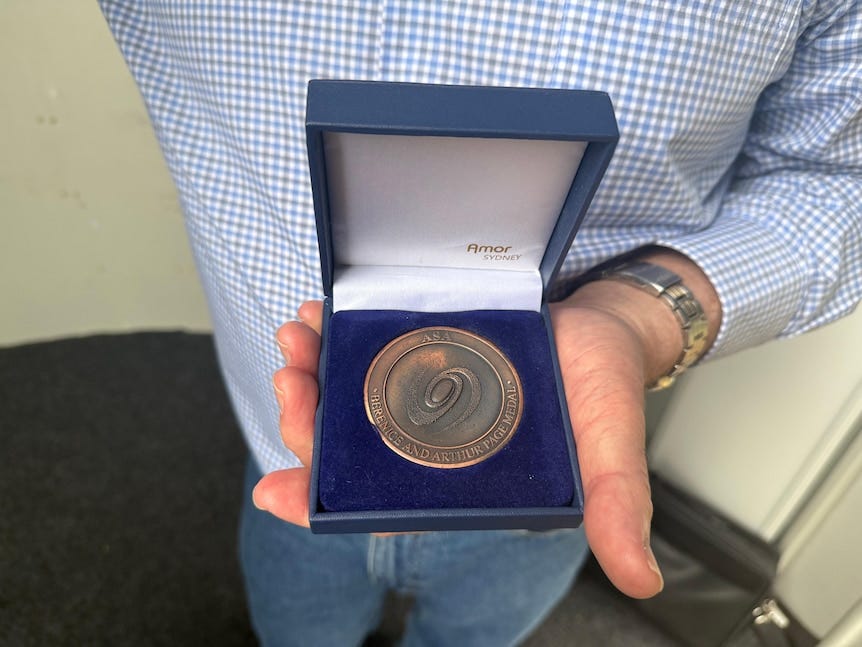
“I was sort of over the moon, literally.” -Chris Stockdale
Editor’s Prompts
Tide pool creatures are highly adaptable to drastically varying water levels, temperatures, and salinity. As the tide pools shift, so too do the tide pool creatures.
Prompts inspired by the tide pools:
How much do we (can we) choose what “home” is, how do this home’s characteristics shape us as individuals, what stories do we tell ourselves and others about our choice (and its alternatives)?
Does it hurt—have to hurt—to grow? When is our character at their most vulnerable, i.e., “between exoskeletons”? How does this moment of vulnerability change them, or change who they become?
How do our characters weigh themselves down to survive rough waters? Do they realise what they’re doing? How do they know when to let go, become “vertical” again? Is it that easy?
Extra prompt:
How might looking at the world or universe from a distance shape our view of our immediate surroundings? What do we notice and what are we likely to miss? What might sneak up on our character when their focus is elsewhere?
SWN Recommends…
An Evening with Romy Ash at Books@Stones
Join Books@Stones on Wednesday 27 May, 6:30pm for an evening with Romy Ash in-conversation with Bianca Millroy discussing Romy’s latest novel, Mantle.
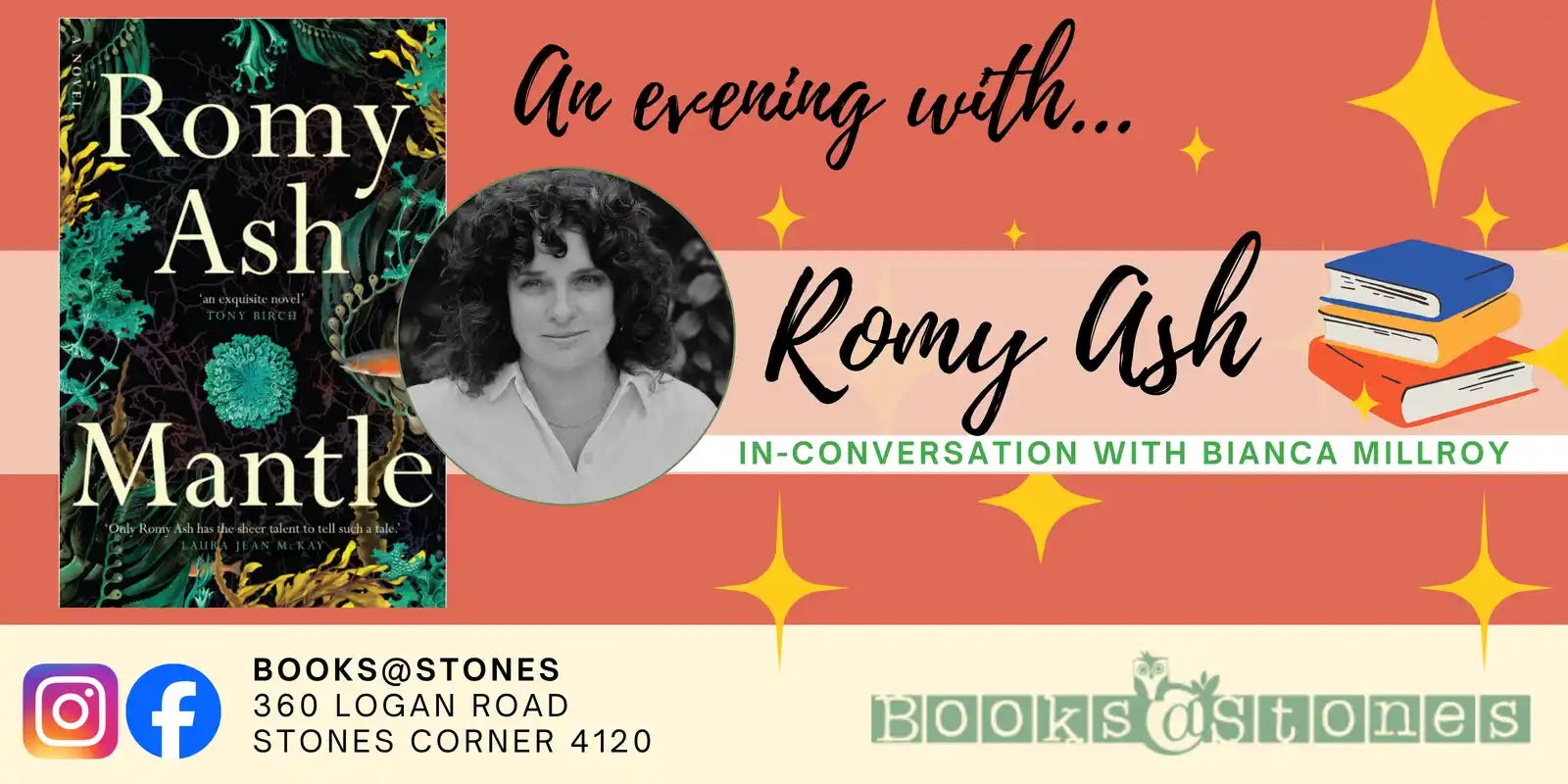
I think about how the earth likes to cough things up. Bones, fossils, slivers of rock, like an interior self. How it likes to spew gas, lava, smoke. How the earth under our feet is anything but solid. How in fact, the surface itself is constantly in movement, teeming. And inside, inside, in the mantle, we can only guess.
Romy Ash is the author of Floundering, which was shortlisted for the Miles Franklin, Commonwealth Book Prize and Prime Minister’s Literary Awards; and a children’s picture book called As Bright as a Rainbow. She was named one of Sydney Morning Herald’s Best Young Australian Novelists of the Year in 2013. Her work has been published in The Guardian, The Saturday Paper, Griffith Review, Meanjin, Best Australian Short Stories, Best Australian Essays, among others. She lives in Naarm/Melbourne with her family.
Bianca Millroy is a writer, editor and podcaster based in Meanjin/Brisbane. Her words can be found in Brisbane Bookshops, Writing Queensland Science Write now, Jacaranda Journal, Visible Ink and more. In 2024, Bianca received the Scribe-Varuna Nonfiction Fellowship and in 2026 she was selected for the Faber Academy’s Creative Nonfiction program for her manuscript, Caput Nebula, which explores own voices representations of functional neurological disorder. She is currently completing her PhD at the University of Queensland and hosts the Science Write Now podcast.
The Stella Prize 2026 Shortlist
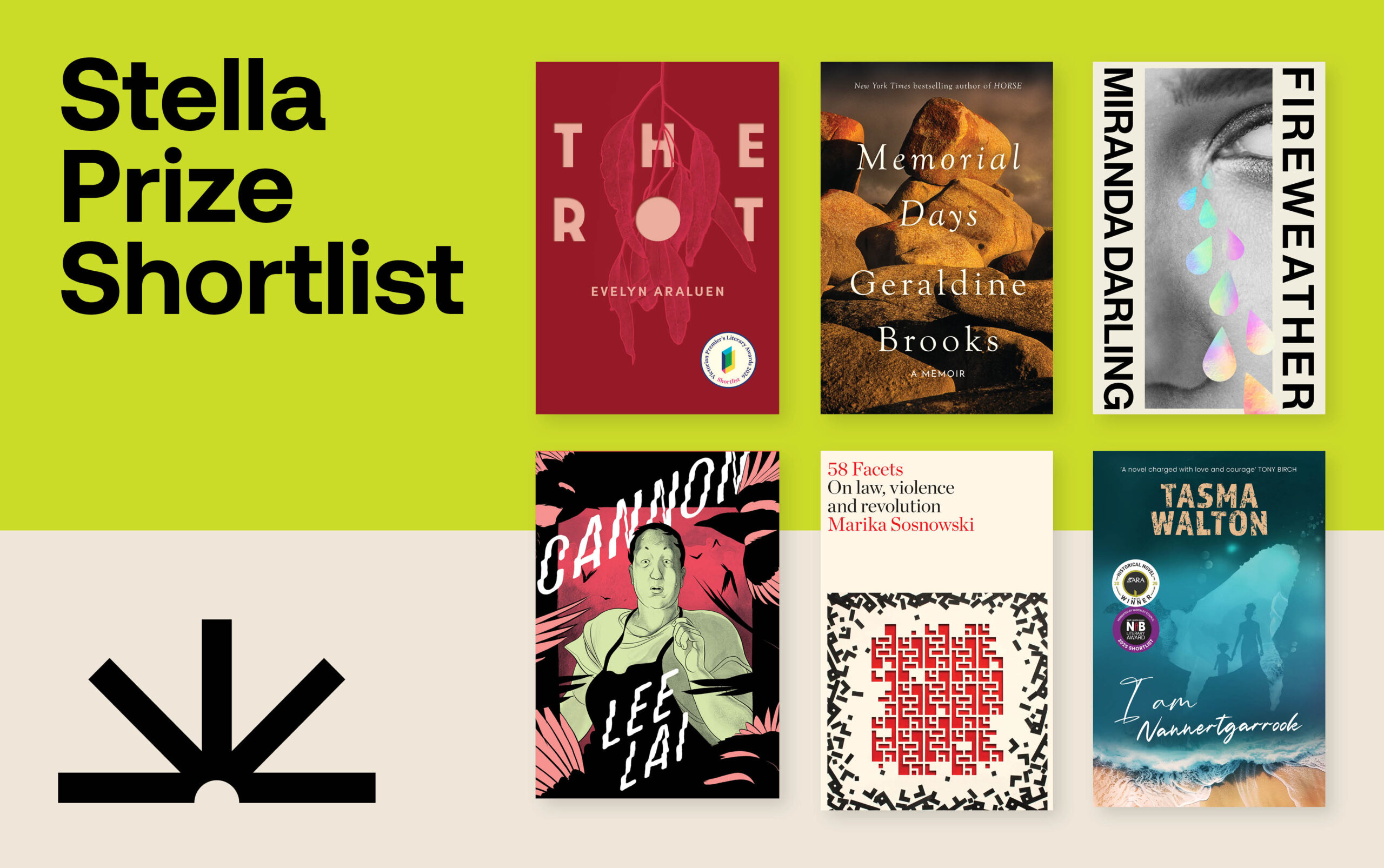
Dive into the compelling and captivating shortlist for the 2026 Stella Prize. The Stella Prize is a celebration of excellent literary works by Australian women and non-binary authors. These selected works highlight the calibre of Australian literary landscape, and reflect the scope, quality, and creativity of women and non-binary writers.
The winner of the Stella Prize 2026 will be announced May 13.
Our newsletter is free!
But paid subscriptions support us through funding downturns and uncertainties - and help us continue growing this unique interdisciplinary space.
I’m very excited to be a subscriber to Science Write Now. Scientific concepts in science fiction are often more understandable when wrapped in a story. In non fiction, storytelling can illuminate social, environmental, or historical issues, making them relatable rather than just data-driven.
 | A guest post by
|